Bocay – Students of My Heart

Every man needs their Indiana Jones moment, mine came during a trip to Nicaragua last year. Not only was I in a foreign country, but also an area which was rarely visited by foreigners, and had the threatening rumors of rebel groups hiding in the mountains. It was in the setting of San Jose de Bocay, that I first saw the towering Piedras de Levay (Rocks of Levay) sitting on a mountain towering alluringly over the surrounding countryside.
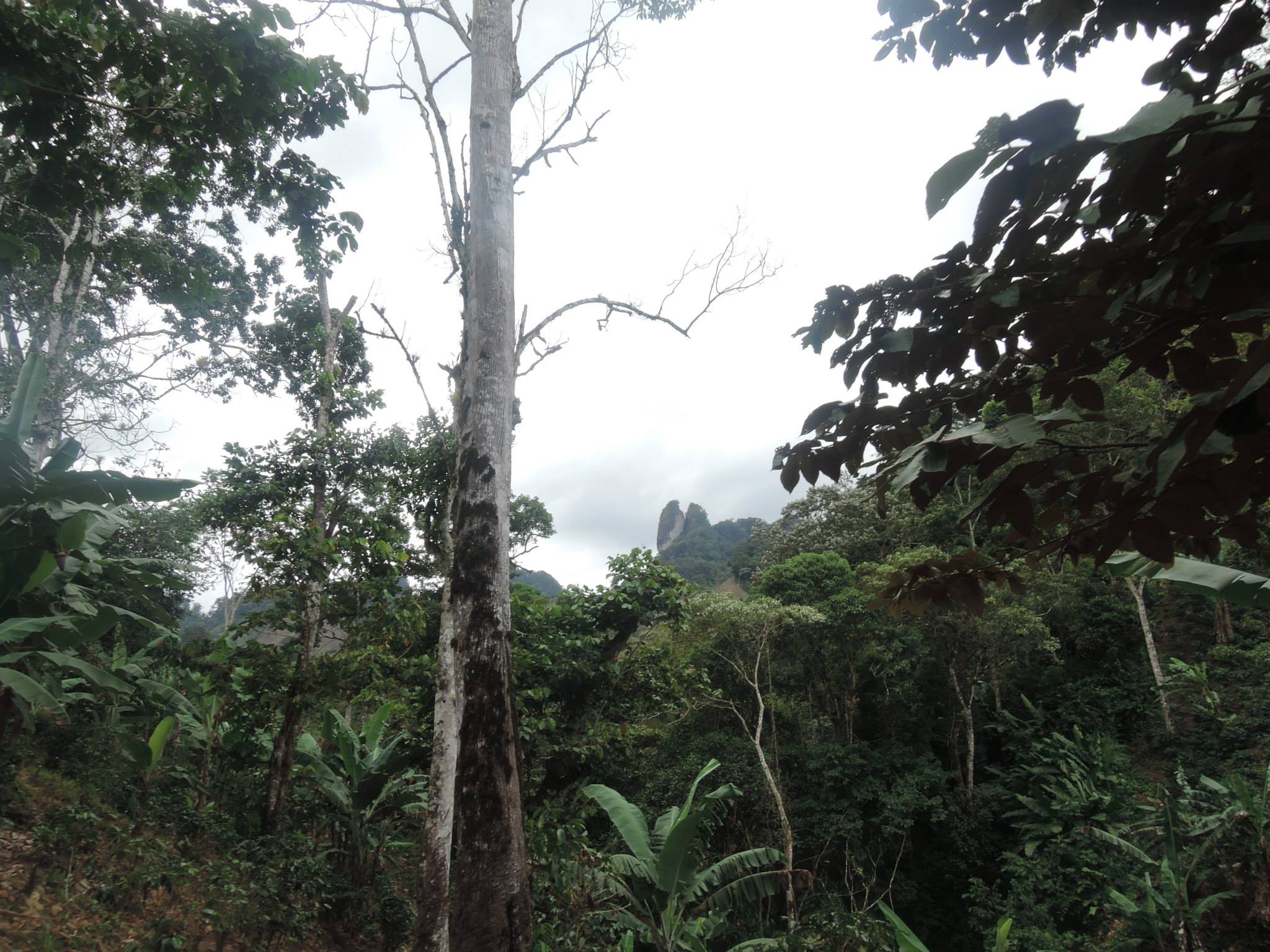
Las Piedras de Levay

Las Piedras de Levay, set in the dense jungle of Northern Nicaragua.

The reason I first came to this country was part volunteering, part adventure, but predominantly to hone my poor Spanish which I had somehow been able to pass to intermediate level with in university a year earlier. In this mindset I was lucky enough to work in with a local English teacher Alberto, I worked with him on a weekly regime of education and travel.

The town of San Jose de Bocay is situated on Rio Bocay

Looking out over Rio Bocay and the countryside which surrounds San Jose de Bocay.

As part of this I visited the town of Bocay every weekend for two months straight making the 8 hour bus ride there from Jinotega each Friday and then returning on the Sunday for the same time. A trip filled with Latino music and English classics, which the locals didn’t seem to understand bu enjoyed all the same. Every now and then a vendor would hop on the bus with there fresh, or not so fresh food, depending on your luck.

Looking over the cobbled main street towards the Sandinista flagged hill.

Looking over the cobbled main street towards the Sandinista flagged hill.

San Jose de Bocay is a small rural town in the northern cordilleras of Nicaragua situated in the province of Jinotega. The town itself is situated beside Rio Bocay, a large river which can be crossed by canoe. Across the river is a hill which bears a giant Sandinista flag, acting both as a landmark and as a statement of who rules the land. The economy of the region is based primarily on cattle trade, along with the production of cafe, cacao, and frijoles (beans).

During these weekends we would spend the nights working with local English university students, who were becoming the first people to speak English at a conversational level, which was inspiring enough in itself. What had more impact was Saturday, each Saturday students would come to school for there one day of school a week, with some walking around 5 hours to get there at 7 am for the start of classes.

The teacher leading English classes on Saturday morning.

Juan Alberto “The Teacher” leading English classes on Saturday morning.

The spread of students was not just restricted to the students geography, with students representing an age range of between 14 and 40 in some classes. But all made their journey and a commitment to their education. Often I pondered how anyone could possibly learn through just one day a week, when the other six days were filled with 10 plus hours a day of work. But it is not a need to learn that draws students each week, it is a deep desire and sense that they can become something more if they do.

I was fortunate enough to not only help with the introductory English classes being taught, but also to participate in their Spanish classes. This was the great leveler, the thing that really made me feel a connection to these people and them to me. It gave us the chance to fail together, to improve together. More importantly it gave the students the opportunity to help me, because it’s not just the people in the developing countries, coming from a developed country we to need help, whether it’s in how to improve our own selves, or how we can learn to help others.

Some of the students who travelled from far and wide to attend class.

Some of the students who traveled from far and wide to attend class.

Always I was reminded of the poverty, the school itself had been flooded only a year before and the classrooms students were working out of were missing parts of their roofs. Whilst I was there I witnessed the students themselves with the help of Alberto, scraping together funds to repair their roofing and then rebuilding it themselves after the classes. This pride in their learning space, not required by anyone but their own desire for a better learning space, said to me much of the honor of the Nicaraguan people at every level of society.

As I’ve mentioned before, although the people I met were all friendly there is no doubt that as with any place if you look or speak to the wrong person the wrong way you can be in trouble. After classes most often we would return with the teach to the hotel where we were staying before it got to late, with rumors of army personnel missing and anti government retribution. One evening however we made a trip further into the wilderness to see a friend of the Alberto.
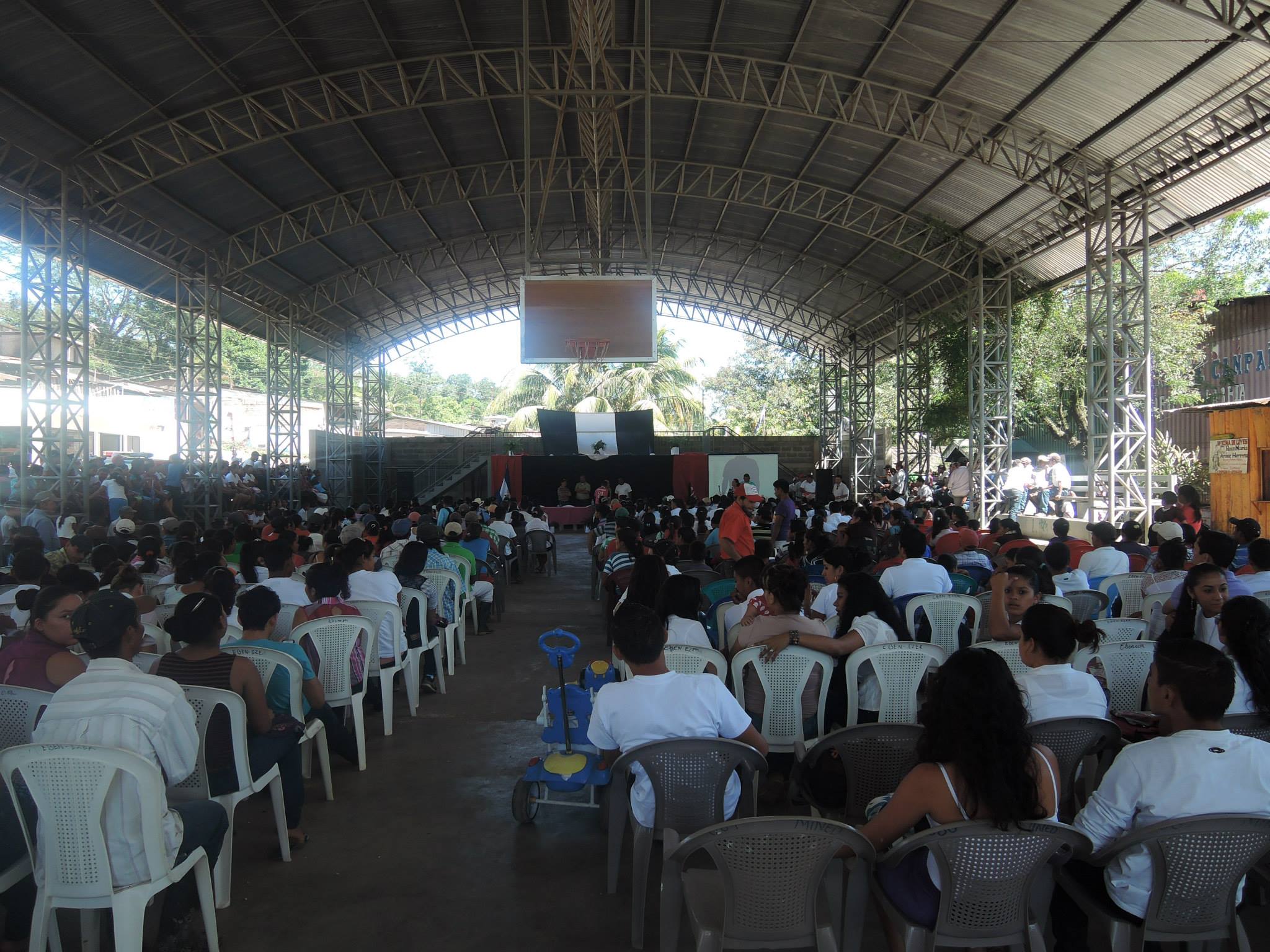
El Poli - The local meeting place for soccer, and local events, such as a Sandinista rally being held in this photo.

El Poli – The local meeting place for soccer, and local events, such as a Sandinista rally being held in this photo.

On the way back we stopped over at one of the students houses where they were in the process of building a better accommodation. It was whilst we were stopped here that I first saw Las Piedras, and every weekend after I asked about these rocks and how to get there. A natural formation seated looking over the whole region it was surprising I hadn’t seen them earlier, but even more surprising that no one I talked to had visited them.

From this point on reaching those rocks became the one thing I had to do before leaving Nicaragua… TBC

Losing My Judgement

Probably one of the greatest turning points from my time in Nicaragua was when I woke up one morning and considered my opinions and ideas from the previous few months. I´d found I had made judgements about the culture and the country that were not necessarily correct.

For example I detailed an account of Machismo a few weeks ago, and I believe I was too critical of this as being a cultural aspect. Yes the outcomes are bad. But on reflection, we struggle with the same situation the world over, and we are constantly battling to get the message out there that this behaviour is never appropriate.

This and many of my views (and yours as well?) were made from the perspective of how I (we) feel the world should look through my (our) own lenses, instead of taking into account the view from different perspectives. How do the divorcees that go to court over the family dog make their respective nations look?

It´s the same as ISIS being stated as Islamic in the press and the people believing that all Muslims are members of ISIS, crazy!

From now on I want to change my approach, not judging people and situations themselves, but instead if there must be judgement, to judge myself and how I can best interact with those same people and situations. Maybe it´s not just me, maybe we all need to take this reflection every now and then.

Start-ups in Developing Countries

We all know someone that´s started a business, maybe it was even us, but for the majority of readers that was in a developed country. There´s a well worn path and a multitude of role models and mentors for us to call upon. But in the developing countries entrepreneurship seems to lurk at the edges of society, too timid to be recognised. What´s with that?

It makes it even harder to sell your products or services when the real roads are in as bad condition as the metaphorical ones

Real and metaphoric roads often need building.

The thing that has struck me when talking to entrepreneurs from Asia and Latin America, is they either don´t know where they are going to go to sell their product, or the simply have no plans to make their businesses any bigger. That is, once they satisfy the needs of their families, they no longer wish to make their business any bigger. In their eyes it would only be more work with no additional benefit.

The other problem is they simply haven´t got the mentors or role models to show them a path of growth. For example, I was talking to a few local producers recently and I asked them how did they intend to grow their business future. There response was to find more consumers, but when pushed on where and when they were going to do this, all they could respond with was the city. However they could not elicit any specific actions or examples they would take to achieve ¨new customers¨.

There´s plenty of products and services, but they will just siton the shelf if business does not find a market they can reach.

Buyers need to be found, and markets developed.

As such products currently rely heavily on word of mouth, however when asked if they wanted to make their start-ups their daily work, entrepreneurs often hesitated. It seems that many are fearful of putting their livelihoods at the hands of a business they control. Maybe this is a fear in their own abilities, or more likely it´s a reflection of the fragility of the economic systems they are based in.

Machismo

In Australia we battle sexism, here in Nicaragua it’s machismo, much the same, but more prevalent and violent.

Normally it’s associated as the forward way with which men approach women and maybe make them feel uncomfortable, but it seems the women here are even more aggressive in their approach to win men.

Machismo gets a bit extreme when the guys start treating women like their property or as somehow inferior to them, essentially they think they’re better than women because they’re men.

It’s characterized by some men believing that women should act or serve them in a particular way, and if not they find it perfectly fine to beat or in extreme cases, kill the women as an act of retribution.

And then if another man sleeps or talks to another man’s wife, he kills him, it doesn’t matter if he’s a bad husband and the wife was looking for someone else, the man gets killed because he used the other man’s property.. the woman.

The government as a result has introduced laws to protect women against this, but as with any laws the problem is just as much the implementation as the law itself.

The general concensus here is that the situation is definitely improving, but the effective solution is actually one of education. Letting men know that women are equal to them and that they should respect them, whilst getting women to acknowledge that they are not subservient to men. So that everyone can acknowledge their equality.

My Lesson from Spanish

Whenever people think of learning a new language usually it’s with the idea that they will be able to talk to the people that speak the language, learn about their culture, and maybe even work with or in those countries. Yes, but for myself and maybe others as introvert (or not) there’s something else.

What I’ve found in the last few weeks is that I have to speak the language to be able to speak it, but normally I prefer to let others speak, and ask the questions that lead me deeper into understanding what they’re on about.

With Spanish I was still trying to do this, but I didn’t have the vocabulary in my mind to even understand what they were talking about. So I decided I should start by talking more about myself.

Two things I hate doing in conversation are talking extensively about myself or generally being expansive in my answers, this is because of the second thing, I hate waffle and generally repeating conversations or going over mundane topics.

Spanish I’m learning to embrace both and it’s also allowing me to start working on my pronunciation which is quite Australian and slurred at times. Because in Spanish those accents and pronunciations make a difference to the word, none more so than año.

I never thought the language would do so much to change my attitude towards my conversation and use of the English language.

Houses versus Industries

It is the responsibility of the individual to maintain their own living space and create it in the first place.

However it is the responsibility of the wider community to create shared spaces, for community interaction, collaboration and growth. And this is where international groups are best set to have involvement. The best example of this is the creation or improvement of platforms where industries operate.

image

In the case of a natural disaster there us true value in accelerating recovery through house and village reconstruction.

Otherwise they contribute to the individual mindset that they can wait for the next handout, and by doing less they can end up with more. Where as community spaces will encourage the sense of working to build together.

What I have seen in the Philippines relates more to building villages, there is an idea that the people work together to form the village sensation, however at the end of the day each family ends up with it’s own house. In the best format they also get the chance to build a community space, however everything is derived from the donor.

image

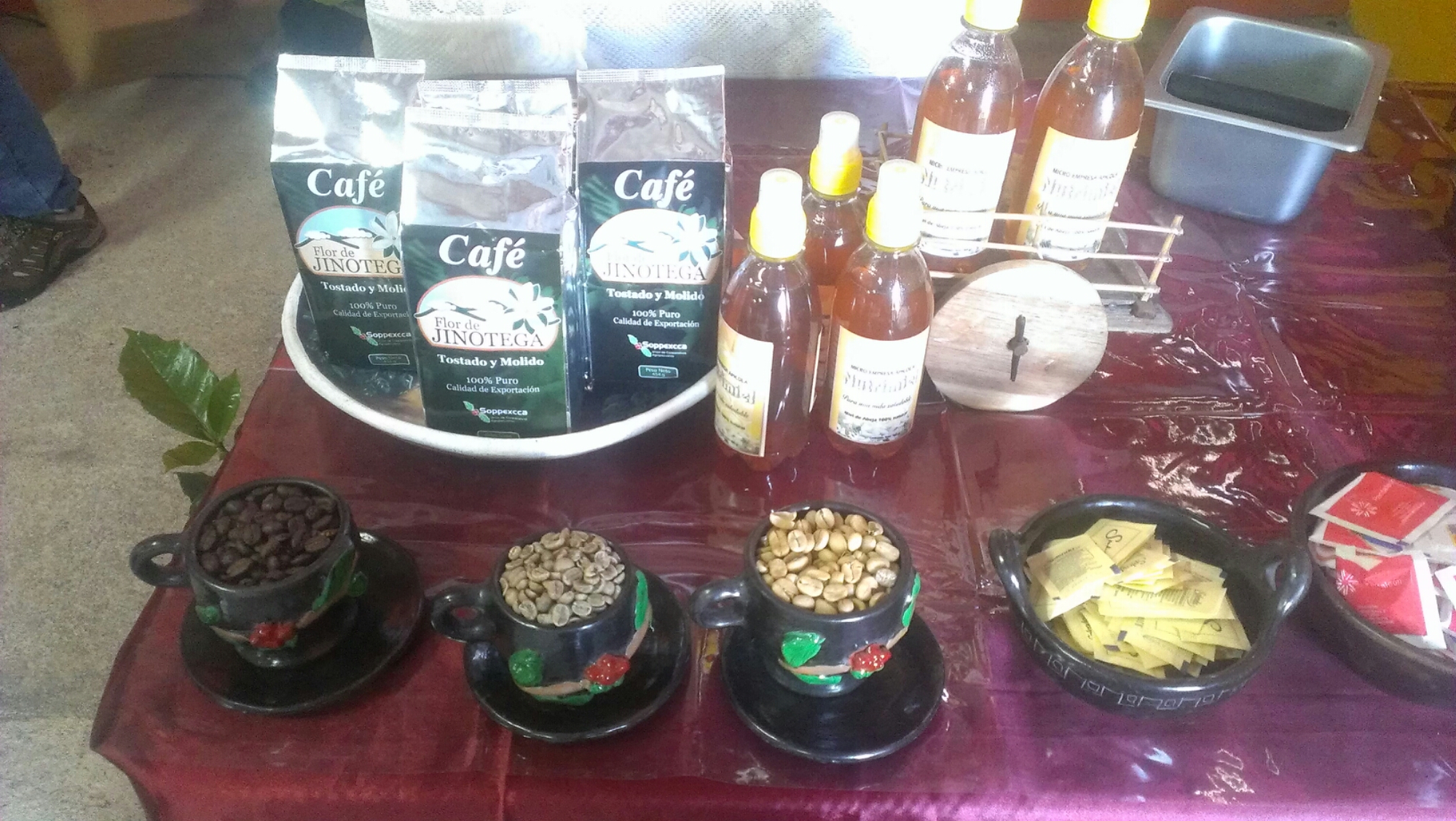
SOPPEXCCA works with all stakeholders to produce a better quality coffee and reward farmers for it.

The thing that drew me to check out SOPPEXCCA a coffee co operative in Nicaragua is that money has been given along the way, however it has not been used for individuals, but rather an industry that fuels the finances of the individuals.

This is a development style led by the consumer by directing resources at sustainable industries which empower whole regions to rise substantially out of poverty.

image

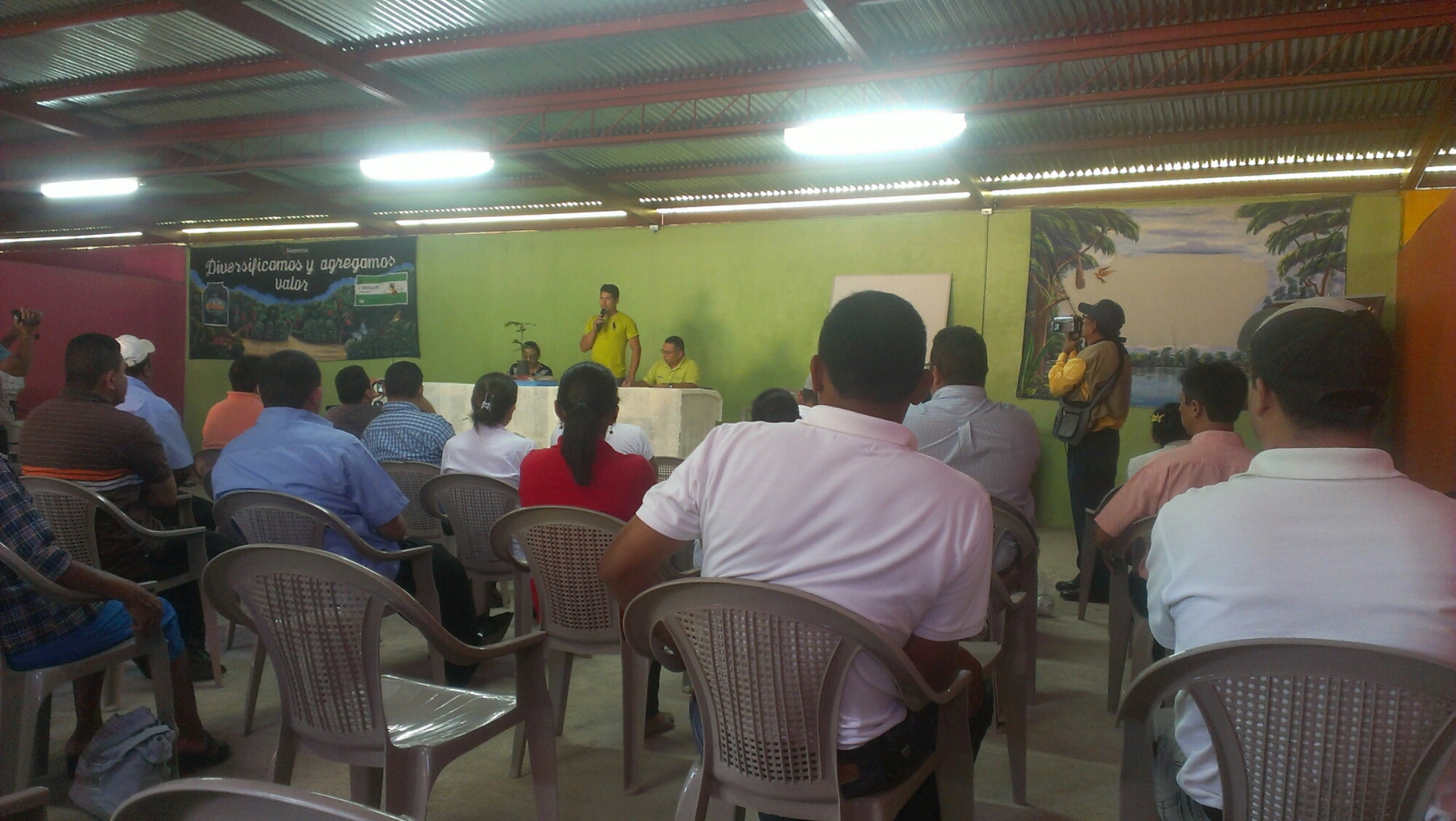
SOPPEXCCA provides further training and information for it's farmers and the community.

This approach looks at all stakeholders, from the producer, to the consumer, to the community and environment the industry operates in, as such it’s collective approach means a more rounded and sustainable development of the industry.

Whereas though focusing on the poor and giving someone the resources for a new house is a really nice thing, it doesn’t actually help them improve their lives on a day to day basis in general. There are however multiple exclusions, such as age and illness.

Please leave any thoughts or comments.

Some Thoughts on Development

By no extent am I an expert, just an ordinary person from Australia who wants to see change in this world.

I’ve only ever travelled with the aim of helping people in developing countries, so far this has taken me to The Philippines, Indonesia and now Nicaragua.

Nicaragua has already been different to the Asian countries and it is allowing me to see some similarities and contrasts which I think are quite interesting.

As such I’d like to share these thoughts in an open space where they can be critiqued and built upon.

Introduction to Social Enterprise – Experiences with GK

In September 2011 I traveled to the slums of Manila, and what I saw there made me overjoyed with the capacity to make change. Here were people living in a garbage heap and inside this setting a group of local, not foreign, local volunteers had built a village for the poorest of the poor, this was my introduction to “nation building”, and within this was something greater, not only were they helping each other to be housed, but they were building hubs founded on social enterprises (SE) to make the change for their community permanent and to bring more up from the bottom line. This was, and this is Gawad Kalinga (GK) in the Philippines.

GK Philippines creates hubs where social enterprises can be developed by both those within and outside of the villages.

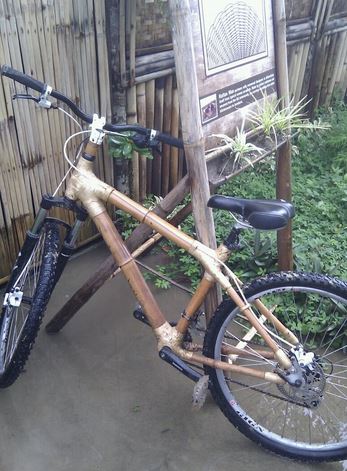
GK Philippines creates hubs where social enterprises can be developed by both those within and outside of the villages. One of these is bamboo bikes.

In November 2013 I traveled to the pulsing, overgrown city which is Jakarta, this time I went with the direct intent to see the work of the younger GK entity, Gerakan Kepadulian or GK Indonesia. The difference to GK Philippines was the removal of social enterprise hubs, here was a group that saw the need for each individual community to have it’s own independence, this meant social enterprises are places in each village. More inspiring is the values formation the group does at the foundation meaning that the villages are not reliant on outsiders to start their enterprises, as they have been educated on the vision and determination to be able to do it themselves.

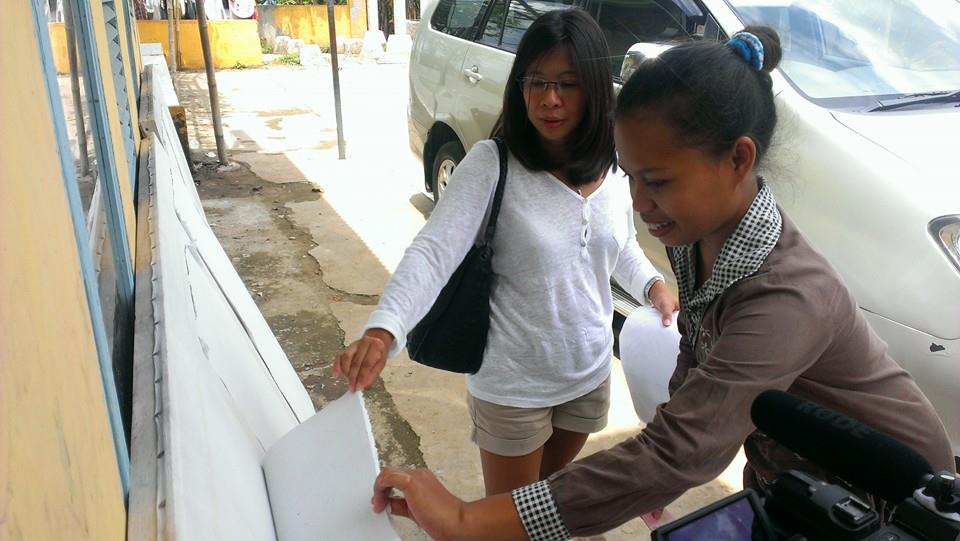
GK Indonesia work with each individual community to help them build new enterprises to build skills and remove reliance on GK volunteers.

GK Indonesia work with each individual community to help them build new enterprises to build skills and remove reliance on GK volunteers.

What these experiences have made very clear is the absolute importance of charity, and of getting rid of it. Because that is the key, charity doesn’t win the fight, it’s not sustainable, and it’s not scalable. As Michael E. Porter put’s it when talking about NGOs “The awkward reality is that we’re not making fast enough progress. We’re not winning.” (you can watch his TED talk here). By using the incentives and drivers of business, SEs help to solve the social issues whilst being scalable to the demand for both the product/service and the fix which the SE provides. The big difference is that now we’re not in it to help, we’re in it to win.

The True Value of Volunteering

The Volunteer loves to get their hands dirty, working for what inspires them.

The Volunteer loves to get their hands dirty, working for what inspires them.

We volunteer because we care, we believe and we have a passion for that which draws us into volunteering, and that which we volunteer for.

Volunteering is all about learning something new about ourselves, what makes us work, what inspires, and what drives our emotion. Volunteering is all about doing something for “nothing” (not being paid), or increasingly, paying to do it.

The reason we do it for “nothing”, is that we get everything in return, we learn and find things out that we could never find doing our day job. The fact that we either don’t get paid, or pay ourselves, means that we look at everything with a more inquisitive and value seeking mind. It drives our urge for improvement. In many ways we will seek to be able to translate the environment we work in, into our mental “normal”.

Over time and the more we volunteer, there is a challenge to our “mental normal” and this is good. Now we can start looking at how to improve environments and increase well-beings within the relevant contexts and not our own one. This means we don’t shift developement to us, but rather shift ourselves into developement.

Learn a new way, and then improve it.

Observations from Haiyan

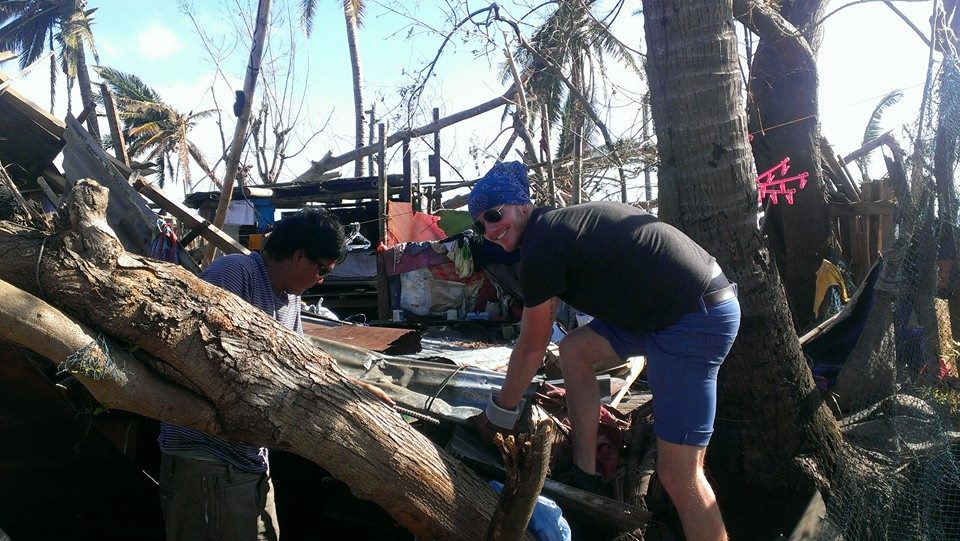
I had arrived on Bantayan for the first time in January 2013 to witness and help with building construction. When I returned I visited the same place, but this time in the aftermath of Typhoon Haiyan. Whilst the most places suffered considerable damage, the completed houses in the village went virtually untouched. What struck me most was that the people within these houses sat their complacently not caring about what had happened to those in the community surrounding them, but going on with their lives, or complaining about some flapping iron on one of the unfinished houses (as if the noise was the thing that kept them up at night, this may or may not have been the case).

Building on Bantayan - January 2013

Building on Bantayan – January 2013

We discovered later that the organisation managing the construction had in fact undergone a restructure, new management lines, and new processes. This impacted the village with resources being held back until a list of criteria had been checked off again, whilst restructure may be required it brings into question the need to apply it to a construction site on the verge of completion. This had resulted in a few months of no construction and a degrading of the community and team atmosphere which was being built during the first visit. Seeing almost complete houses whilst most of the population has just lost theirs, just does not feel right! The interesting thing is that focus always was, and still is on building the homes, not the livelihoods.

Materials were the resource in highest demand after the typhoon.

Materials were the resource in highest demand after the typhoon.

It’s now 3 months since that visit, and that reflection has been at the forefront of my mind ever since. I was fortunate enough to have a contrasting experience in Indonesia whilst staying with members of Gerakan Kepedulian (GK Indonesia). The contrast was that on Bantayan there was little preparation work to build a sense of community and values, whilst in the Indonesian villages there was a lengthy period (1-2 years) before they even entered the village. What this produced was a sense of establishment and community, whereas the Bantayan village felt removed from the surrounds and unaware of the immediate destruction which had occurred only a couple of hundred meters away.

BantayanVillage

Bantayan Village after Haiyan – November 2013

These experiences showed a few important lessons to those who would help give a hand to alleviate poverty and encourage development. Firstly if we are going to build a “village” of houses, then we should also build a village “spirit” for the village, creating the sense of community and common values is possibly more important than building the village in the first place. If all we create are complacent members who feel it is their right to receive “assistance” from the outside world, have we really helped at all? and if in fact we have removed independence of these people, then who is responsible? we are.

GKindo

Jack runs community programs within GK Indonesia

I recently finished a mind changing book called “We Do Know How” by James T. Riordan, what it outlined time and again was the need to create jobs and raise incomes to help the poor rise through their own work, as a sustainable approach to alleviating poverty. In contrast giving handouts or anything which acted as a “freebie” could be seen to undermine the independent nature of individuals and instead create dependence. The point is that for many charity organisations, they depend on poor people relying on them for their very existence, to eliminate poverty is to remove the worlds “need” for them.

GK Indonesia is an example of an organisation that seeks to remove beneficiary reliance by doing the sustainable thing,  creating jobs for the poor.  This emphasis in the real world along with what I have read in literature creates a real hope that we are moving some way to finding the solution to one of the worlds most persistent problems – how to reduce poverty.