
In September 2011 I traveled to the slums of Manila, and what I saw there made me overjoyed with the capacity to make change. Here were people living in a garbage heap and inside this setting a group of local, not foreign, local volunteers had built a village for the poorest of the poor, this was my introduction to “nation building”, and within this was something greater, not only were they helping each other to be housed, but they were building hubs founded on social enterprises (SE) to make the change for their community permanent and to bring more up from the bottom line. This was, and this is Gawad Kalinga (GK) in the Philippines.

GK Philippines creates hubs where social enterprises can be developed by both those within and outside of the villages. One of these is bamboo bikes.
In November 2013 I traveled to the pulsing, overgrown city which is Jakarta, this time I went with the direct intent to see the work of the younger GK entity, Gerakan Kepadulian or GK Indonesia. The difference to GK Philippines was the removal of social enterprise hubs, here was a group that saw the need for each individual community to have it’s own independence, this meant social enterprises are places in each village. More inspiring is the values formation the group does at the foundation meaning that the villages are not reliant on outsiders to start their enterprises, as they have been educated on the vision and determination to be able to do it themselves.
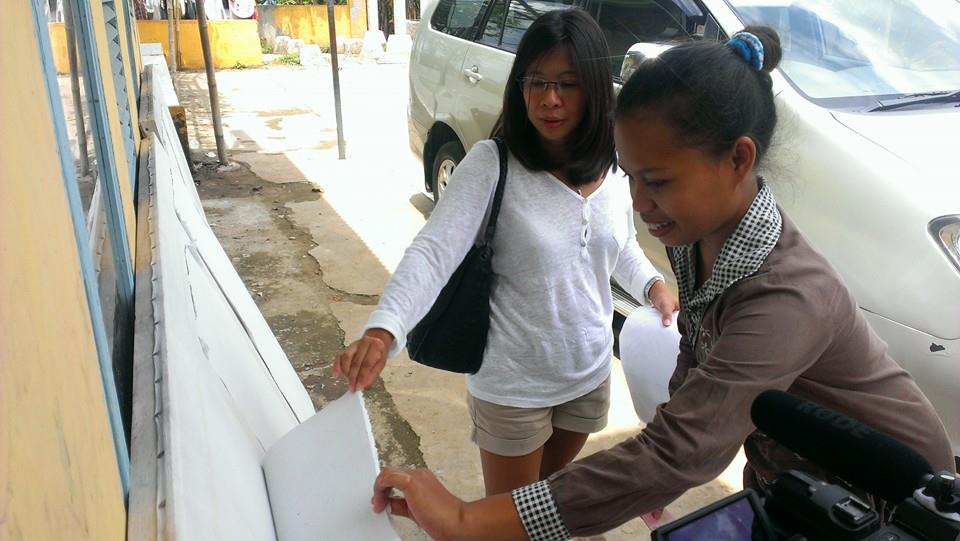
GK Indonesia work with each individual community to help them build new enterprises to build skills and remove reliance on GK volunteers.
What these experiences have made very clear is the absolute importance of charity, and of getting rid of it. Because that is the key, charity doesn’t win the fight, it’s not sustainable, and it’s not scalable. As Michael E. Porter put’s it when talking about NGOs “The awkward reality is that we’re not making fast enough progress. We’re not winning.” (you can watch his TED talk here). By using the incentives and drivers of business, SEs help to solve the social issues whilst being scalable to the demand for both the product/service and the fix which the SE provides. The big difference is that now we’re not in it to help, we’re in it to win.
 Clive Silcock