Houses versus Industries

It is the responsibility of the individual to maintain their own living space and create it in the first place.

However it is the responsibility of the wider community to create shared spaces, for community interaction, collaboration and growth. And this is where international groups are best set to have involvement. The best example of this is the creation or improvement of platforms where industries operate.

image

In the case of a natural disaster there us true value in accelerating recovery through house and village reconstruction.

Otherwise they contribute to the individual mindset that they can wait for the next handout, and by doing less they can end up with more. Where as community spaces will encourage the sense of working to build together.

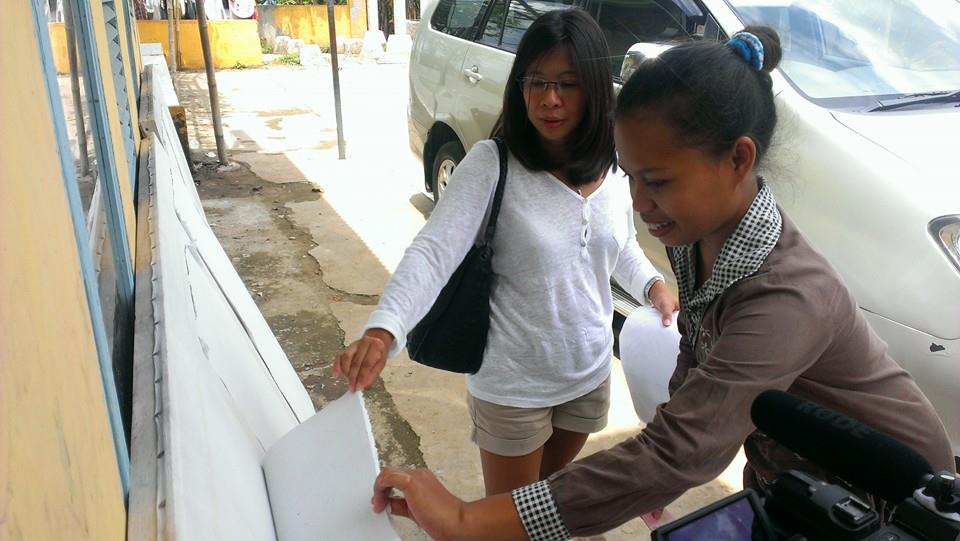
What I have seen in the Philippines relates more to building villages, there is an idea that the people work together to form the village sensation, however at the end of the day each family ends up with it’s own house. In the best format they also get the chance to build a community space, however everything is derived from the donor.
image

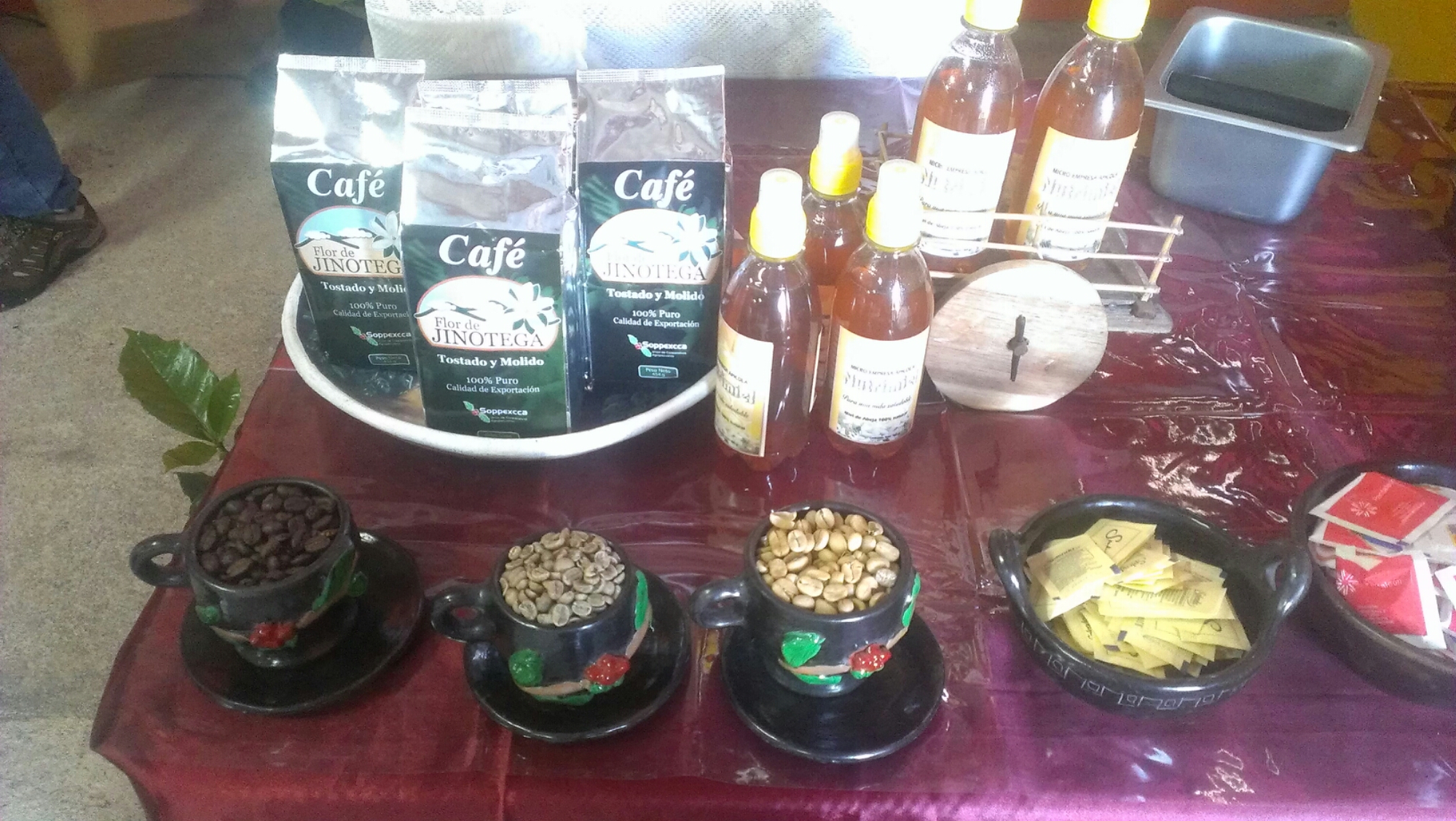
SOPPEXCCA works with all stakeholders to produce a better quality coffee and reward farmers for it.

The thing that drew me to check out SOPPEXCCA a coffee co operative in Nicaragua is that money has been given along the way, however it has not been used for individuals, but rather an industry that fuels the finances of the individuals.

This is a development style led by the consumer by directing resources at sustainable industries which empower whole regions to rise substantially out of poverty.
image

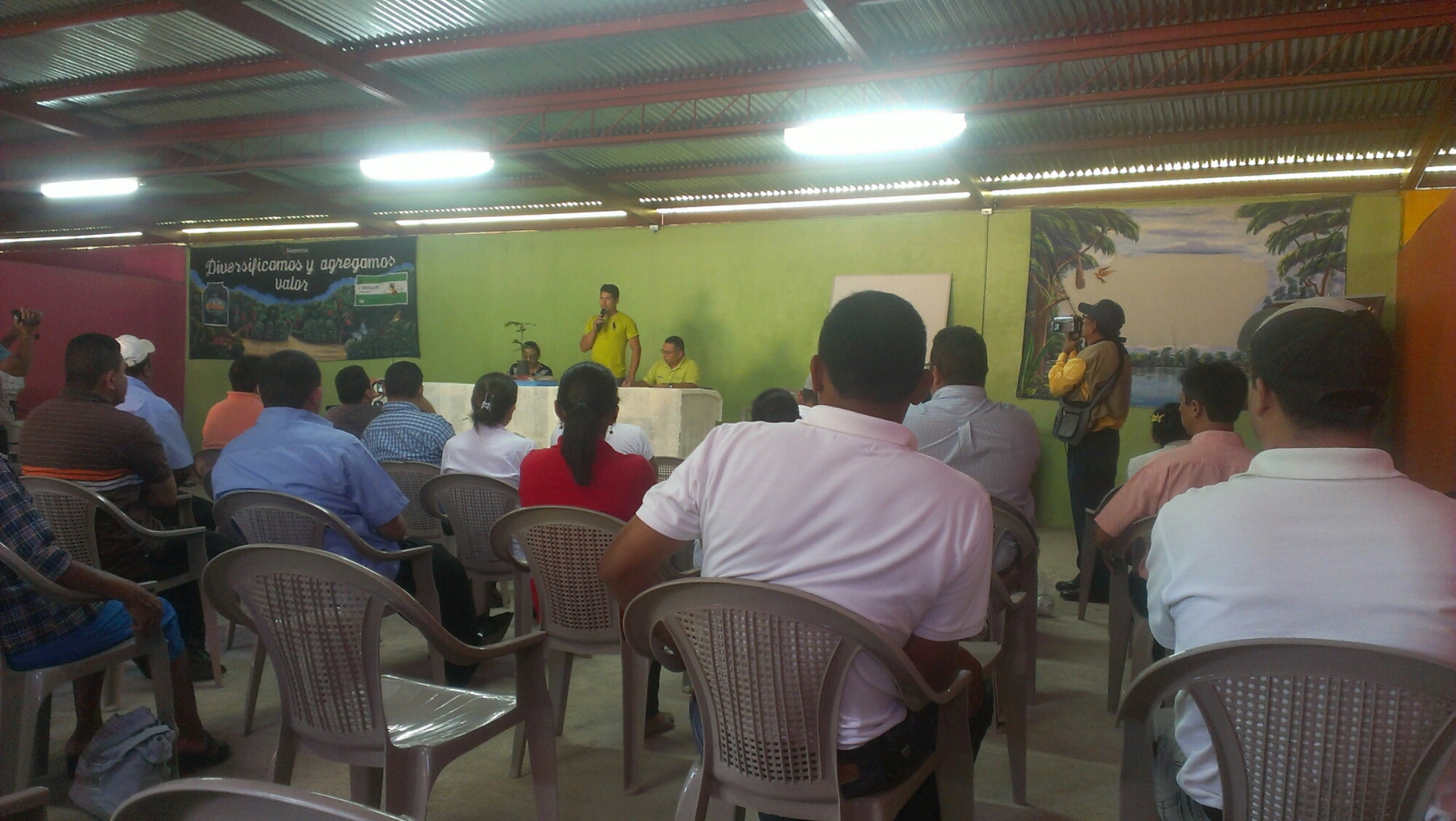
SOPPEXCCA provides further training and information for it's farmers and the community.

This approach looks at all stakeholders, from the producer, to the consumer, to the community and environment the industry operates in, as such it’s collective approach means a more rounded and sustainable development of the industry.

Whereas though focusing on the poor and giving someone the resources for a new house is a really nice thing, it doesn’t actually help them improve their lives on a day to day basis in general. There are however multiple exclusions, such as age and illness.

Please leave any thoughts or comments.
Some Thoughts on Development

By no extent am I an expert, just an ordinary person from Australia who wants to see change in this world.

I’ve only ever travelled with the aim of helping people in developing countries, so far this has taken me to The Philippines, Indonesia and now Nicaragua.

Nicaragua has already been different to the Asian countries and it is allowing me to see some similarities and contrasts which I think are quite interesting.

As such I’d like to share these thoughts in an open space where they can be critiqued and built upon.

Introduction to Social Enterprise – Experiences with GK

In September 2011 I traveled to the slums of Manila, and what I saw there made me overjoyed with the capacity to make change. Here were people living in a garbage heap and inside this setting a group of local, not foreign, local volunteers had built a village for the poorest of the poor, this was my introduction to “nation building”, and within this was something greater, not only were they helping each other to be housed, but they were building hubs founded on social enterprises (SE) to make the change for their community permanent and to bring more up from the bottom line. This was, and this is Gawad Kalinga (GK) in the Philippines.

GK Philippines creates hubs where social enterprises can be developed by both those within and outside of the villages.

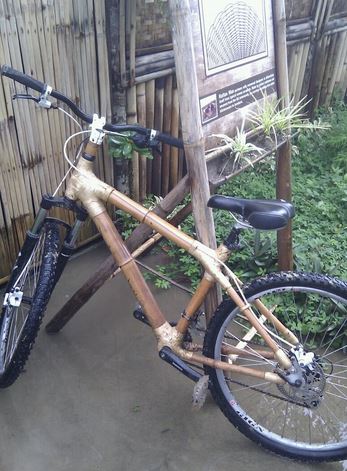
GK Philippines creates hubs where social enterprises can be developed by both those within and outside of the villages. One of these is bamboo bikes.

In November 2013 I traveled to the pulsing, overgrown city which is Jakarta, this time I went with the direct intent to see the work of the younger GK entity, Gerakan Kepadulian or GK Indonesia. The difference to GK Philippines was the removal of social enterprise hubs, here was a group that saw the need for each individual community to have it’s own independence, this meant social enterprises are places in each village. More inspiring is the values formation the group does at the foundation meaning that the villages are not reliant on outsiders to start their enterprises, as they have been educated on the vision and determination to be able to do it themselves.

GK Indonesia work with each individual community to help them build new enterprises to build skills and remove reliance on GK volunteers.

GK Indonesia work with each individual community to help them build new enterprises to build skills and remove reliance on GK volunteers.

What these experiences have made very clear is the absolute importance of charity, and of getting rid of it. Because that is the key, charity doesn’t win the fight, it’s not sustainable, and it’s not scalable. As Michael E. Porter put’s it when talking about NGOs “The awkward reality is that we’re not making fast enough progress. We’re not winning.” (you can watch his TED talk here). By using the incentives and drivers of business, SEs help to solve the social issues whilst being scalable to the demand for both the product/service and the fix which the SE provides. The big difference is that now we’re not in it to help, we’re in it to win.

Typhoon Haiyan Scout

These things can’t be planned, but when the Typhoon struck my immediate reaction was that it was going to financial support which was the most immediate requirement. However as communication started to filter through it became apparent that another kind of support was required, that is the psychological, and the physical presence of help and support.

I’ve been able to have a few days preparation, and although I am motivated to get over there and help out, I have to admit to being nervous, this is the shift from the virtual removed support to the on the ground, and as such it’s going to be important to arrive sharp and to build understanding of situation and context as quickly as possible.

This trip will be to provide immediate support, but also to get a clear understanding as to how my friends and wider community can help out over the next weeks and months. Is it going to be the physical presence which will really help or is it more on the financial side?

There’s only one way to really know, and to be able to effectively communicate that back home, that’s to go and find out for myself.

I’ll try and post updates on twitter (@CliveSilcock), when and if there is access to internet.

So adios, and I hope to report back soon on what our best action is.